1. When a simpler system is enough
Not every project needs a more complex solution. With consistent doors, clear use patterns and available maintenance, a tested standard configuration may be appropriate. Door fit, configuration approval, installation acceptance and the support route still come first.
2. When redundancy deserves review
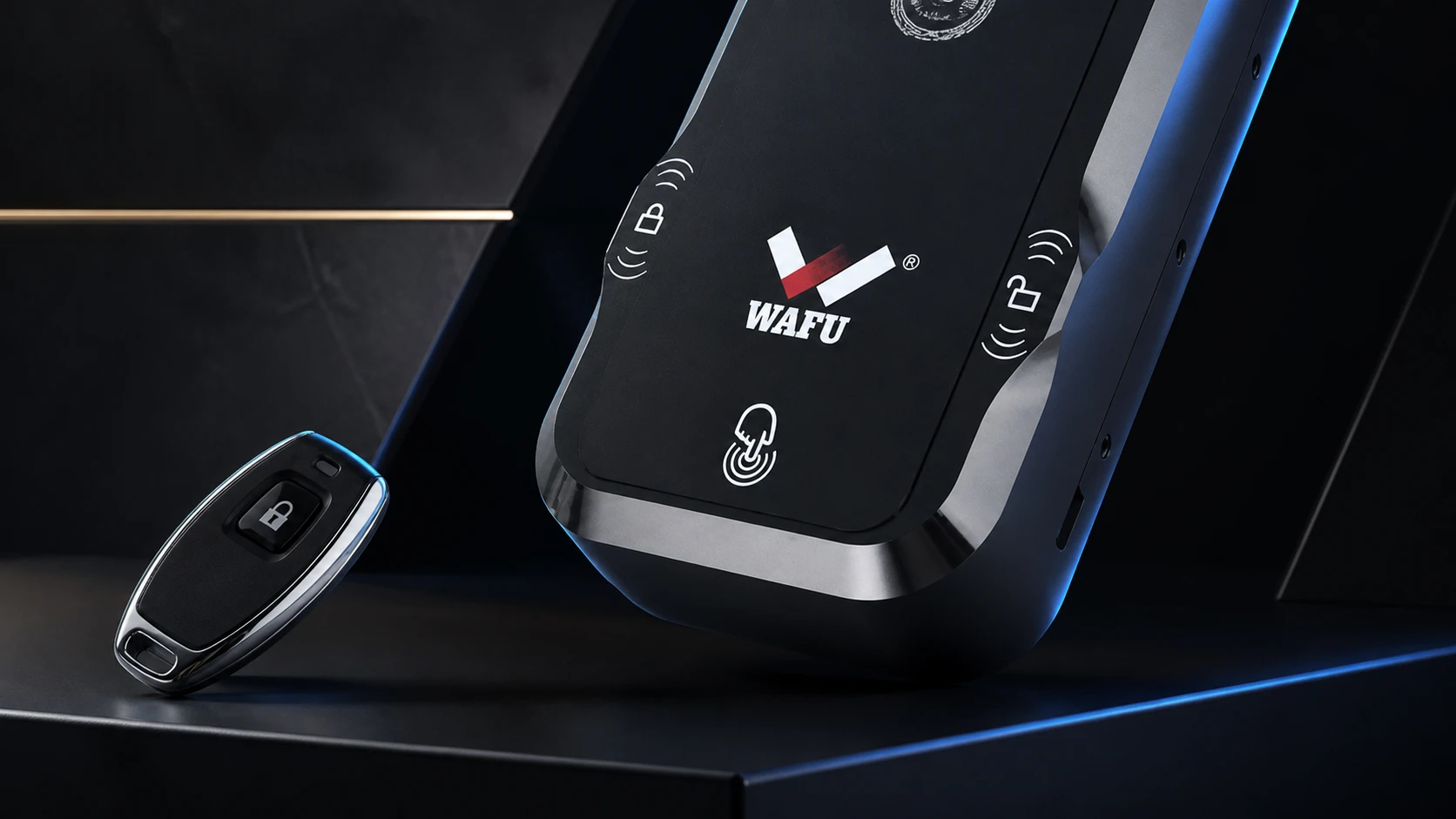
Redundancy is not a blanket promise. It deserves review when a fault creates high travel, coordination or disruption cost: distributed properties, premium spaces, difficult retrofits or demanding remote management.
| Project condition | Why review further? |
|---|---|
| Distributed properties | On-site response takes longer. |
| High service expectation | Interruptions affect residents and operators more. |
| Costly rework | Modification and reinstallation cost more than the product difference. |
3. How to assess dual-system, dual-motor design
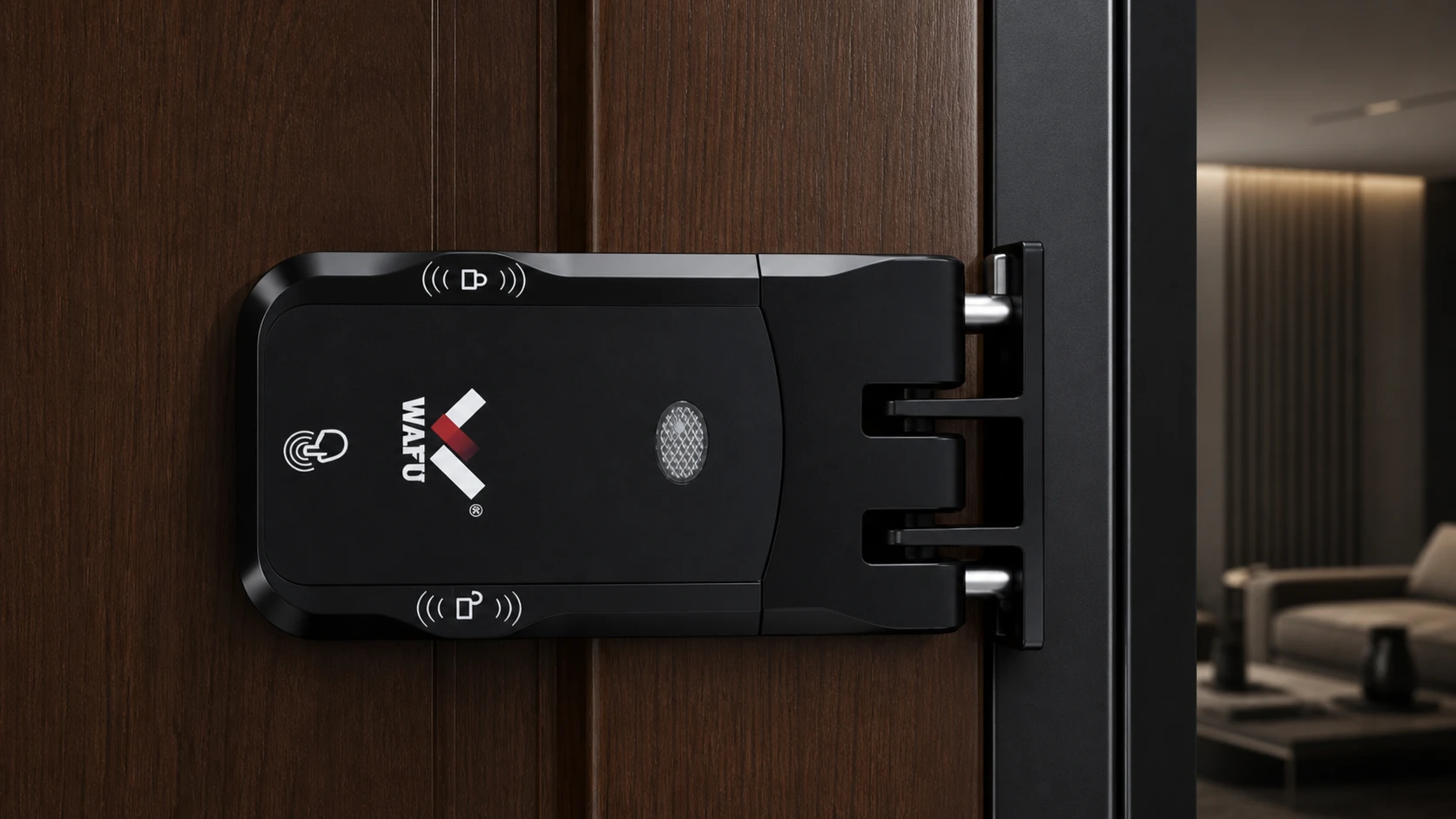
WF-026 dual-system, dual-motor design is an engineering feature to validate with a sample, not a zero-failure guarantee. Ask how configuration, normal and abnormal paths, power, installation and cases requiring site attendance are handled.
4. Validate samples and fault paths
Do not validate only one successful unlock. Confirm door fit, chosen access methods, battery replacement, warnings, emergency power, emergency opening, recovery options and records for serial numbers and versions. Select three to five interruption scenarios that actually matter in the project.
5. Do not postpone power, spare parts and version control
Before quotation and contract, clarify battery specification, warnings, emergency power, key spares, version records, change notices and RMA. Specific service periods and cost ownership are negotiation items, not blanket promises in this article.
6. Use TCO as the decision frame
Do not compare only purchase price: total cost = product and options + installation or retrofit + maintenance and spares + incident response + availability or experience loss. The last items depend on location, service organization and use and should be assessed with project data.
7. Questions before project approval
- Does the sample match the planned production configuration?
- Have the door, handing and frame been checked?
- Which normal and fault paths can be demonstrated?
- How are power, emergency opening and maintenance arranged?
- Who owns spares, versions and RMA?
Frequently asked questions
Does dual-system design mean faults cannot occur?
No. Every electromechanical solution needs correct installation, maintenance, power management and defined support.
Is WF-026 required for every residential project?
No. Suitability depends on the door, budget, maintenance model and cost of interruption.
Request a WF-026 project assessment
Share project type, number of doors, door conditions, target market and maintenance model. WAFU can help structure a sample-review scope.
This article supports procurement and project evaluation. It is not legal, certification or compliance advice.