1. Before price, confirm whether the lock can be installed
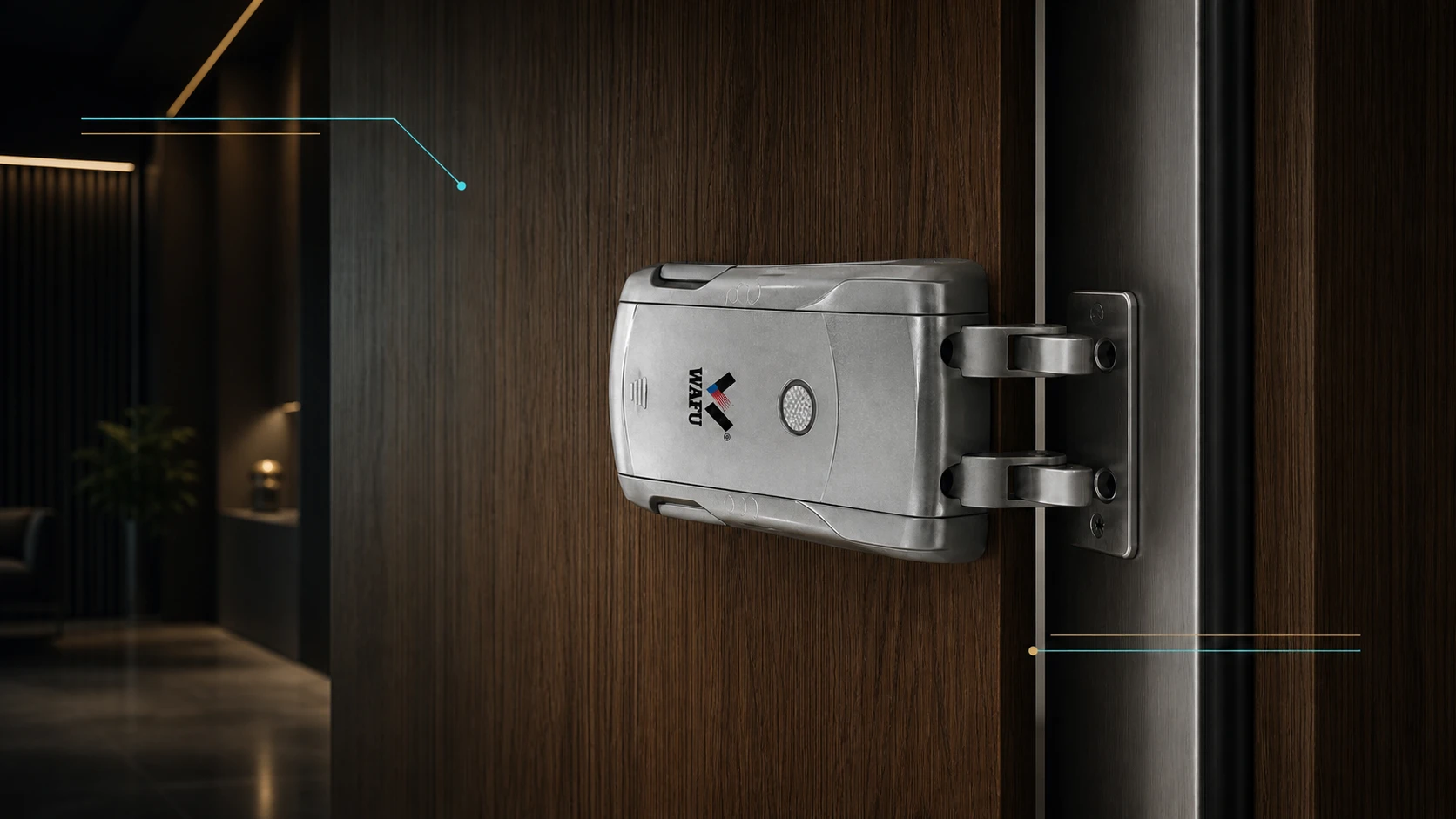
A useful RFQ starts with the door, not a product photo. For an invisible smart lock, document door type, thickness, material, handing, edge clearance, frame condition and any existing hardware. This lets a supplier propose a verifiable sample configuration instead of pricing an assumption.
2. Separate quantity, access methods and delivery scope
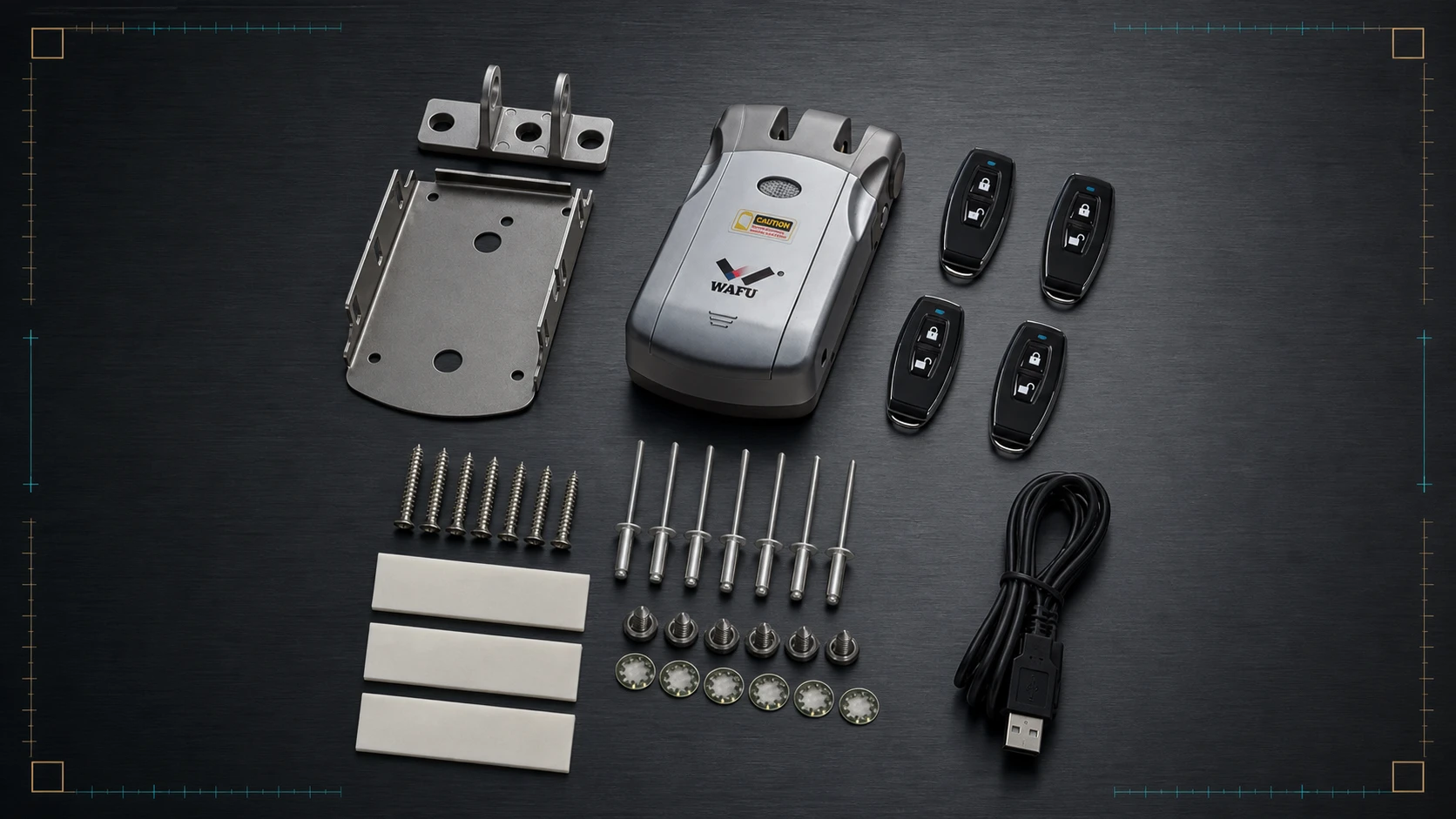
State sample quantity, first order, expected total quantity and delivery windows separately. List access methods such as remote, fingerprint, PIN, NFC, app or Bluetooth. Ask for functions, communication, packaging, spare parts and installation documents as distinct items.
| RFQ field | What to confirm |
|---|---|
| Door data | Material, thickness, handing, edge, frame and photos or dimensions |
| Project quantity | Samples, first batch, replenishment and delivery timing |
| Configuration | Access method, wireless option, finish and power arrangement |
| Handover | Packaging, accessories, documents, spare parts and support |
3. Put WF-010, WF-019 and WF-026 into one RFQ
An RFQ should not pretend to make the model decision. WF-010 and WF-019 can be reviewed for regular concealed installations. WF-026 can be included when project conditions, maintenance planning and sample validation justify a more redundant configuration. Request installation conditions, optional modules, sample scope and pricing status for each model.
4. Connect sample approval to production
A sample is a verification item, not only a demonstration. Record model, finish, accessories, firmware where relevant, installation condition, packaging and the allowed scope of change. After approval, substitutions and version changes need a written confirmation path.
5. Do not compare quotations by unit price alone
Compare the main unit, options, installation accessories, branding, packaging, sample cost, lead time, spare parts and technical support separately. A low unit price is not a complete project comparison when installation assistance or RMA evidence is missing later.
6. RFQ checklist for the supplier
- Target market, project type and go-live date
- Door type, dimensions, photos and handing
- Sample, first-batch and total quantities
- Preferred models and access methods
- Finish, branding, packaging and document language
- Installation, spare parts, warranty and RMA expectations
Frequently asked questions
Can a quote be prepared without complete door dimensions?
A budgetary quote can. Samples and production should still be confirmed only after the door, edge, frame and handing have been reviewed.
Should every access method be ordered?
No. Choose the functions that users, administrators and the support team can actually manage, and have options priced separately.
Prepare a project RFQ
Send your target market, door type, quantity, preferred models and current challenge. WAFU can help structure the information for a sample review.
This article supports procurement and project evaluation. It is not legal, certification or compliance advice.