A practical checklist for agreeing the model, accessories, packaging, documents and sample approval before an OEM launch.
Project scope
Tie the packaging to a specific model, configuration, order and target market. Agree on branding, quantity, languages, schedule and responsibilities for supplying and reviewing artwork. Confirm customization scope, feasibility and costs with the supplier.
Packaging information checklist
- List the model, configuration and agreed accessories, including any remote controls, strikes and fasteners.
- Gather artwork, brand permissions, label text, manual languages and service contacts; record owners and versions.
- Identify market-specific marks and documents for the responsible party to verify; do not assume certification or compliance.
- Confirm carton information, quantities, transport requirements and delivery destination, recording outstanding decisions.
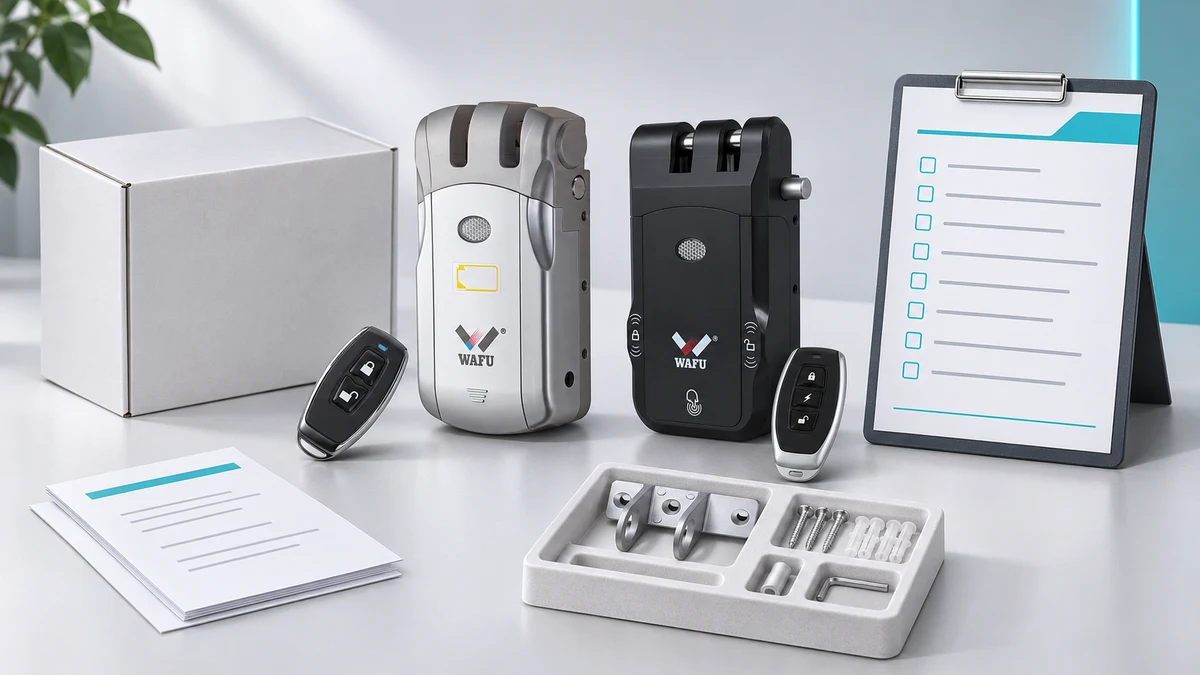
Product and configuration
Review the relevant WF-010, WF-019 or WF-026 product information and confirm the exact configuration with WAFU. Packaging images, model, access methods and accessories must match the approved sample. Recheck artwork and documentation when the configuration changes.
Packaging, handover and launch
Review a packaging sample before production, including print, accessories, manual version and packing arrangement. Record approval, outstanding corrections and the approved production version. Agree how changes will be communicated. The buyer verifies its brand materials, market requirements and final claims; responsibilities and deliverables depend on the project agreement.
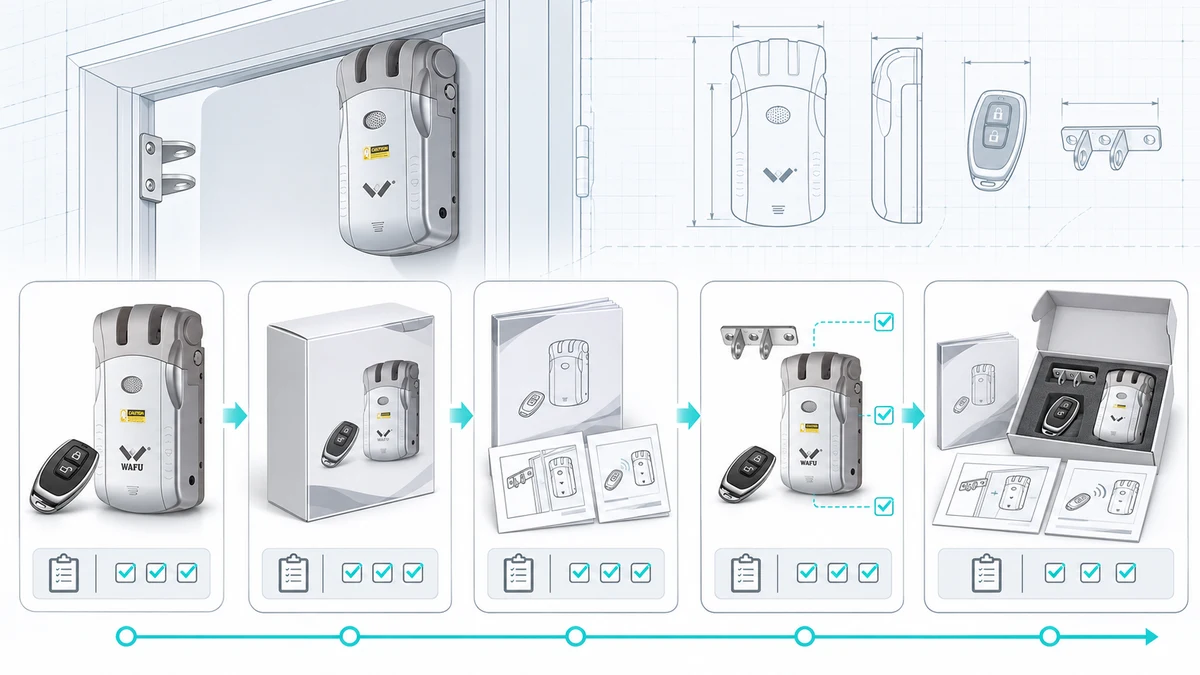
Production release and change control
Before artwork enters production, keep one release record that connects the confirmed model, configuration, accessories, target market and order. Give the box artwork, labels and manual clear version identifiers, owners and approval dates. The record should show unresolved questions and whether each one blocks release.
- The supplier checks that the model, accessories and manual match the order configuration.
- The buyer or brand owner approves the brand assets, translations, contact details and market-facing claims.
- The party assigned to market review checks applicable markings and documents, records the evidence used and lists open items.
- Both parties review a physical or digital packaging sample against the approved artwork and packing list.
- The buyer records the approvers, approved version set, affected order and release date; the supplier keeps and uses the same set with the production records.
If anything changes after approval, record the old and new versions, reason, affected models or orders, required review, approver and effective date before use. Changes to the configuration, accessories, labels, market claims or package contents should trigger another review of the related files. This helps prevent outdated manuals or artwork from being reused for a later order.
Frequently asked questions
Can one package be used for every model?
Do not assume packaging is interchangeable. Confirm the dimensions, accessories and inserts for the actual configuration.
Can the packaging change after sample approval?
Agree the impact, revised version, approval responsibility and production schedule before making a change.
Who verifies market markings?
Assign responsibility in the project documentation and verify the applicable requirements for each target market.
Next step
Request an OEM project review with the target model, markets, quantity, packaging languages and available artwork.


