Original article by the WAFU technical team (Shenzhen), written for B2B system integrators, property-technology procurement teams, and commercial space smart-renovation project groups. For hotel and apartment scenarios, see also our four-dimensional invisible lock compatibility guide. Please cite the source when republishing.
Key Metrics at a Glance
01 Door Thickness
Supported range: 38 mm to 68 mm (±0.5 mm).
02 Integration Costs
Up to 30 % reduction through protocol standardization.
03 Modularity
Initial investment +10–15 %, ROI >150 % over 3 years.
04 Industrial Certification
IP67, -40 °C to +85 °C, 480 h salt spray.
05 Compatibility Axes
Mechanical, electrical, software, environment, security, supply chain.
Introduction
The growing adoption of enterprise access control and the pursuit of architectural elegance have propelled B2B invisible locks to the forefront of commercial space modernization. Yet this aesthetic and robust choice often conceals a complex technical challenge: embedded lock compatibility with existing infrastructure. This article systematically analyzes six critical dimensions of compatibility challenges in invisible lock deployment—mechanical and structural, electrical and communication, software ecosystems, extreme operating conditions, cybersecurity, and lifecycle—proposing a pragmatic solution framework to guide technical decision-making. For hotel and multi-family residential scenarios, complement this hub with our four-dimensional invisible lock compatibility guide; for OEM/ODM sourcing, see the B2B smart lock white paper.
1. Mechanical and Structural Compatibility: The "Micron-Level" Interplay of Dimensions and Mechanics
The revolutionary nature of invisible locks lies in embedding the core locking mechanism entirely within the door or wall structure, elevating mechanical compatibility from mere "fitting" to "co-construction." Challenges primarily manifest in two areas:
-
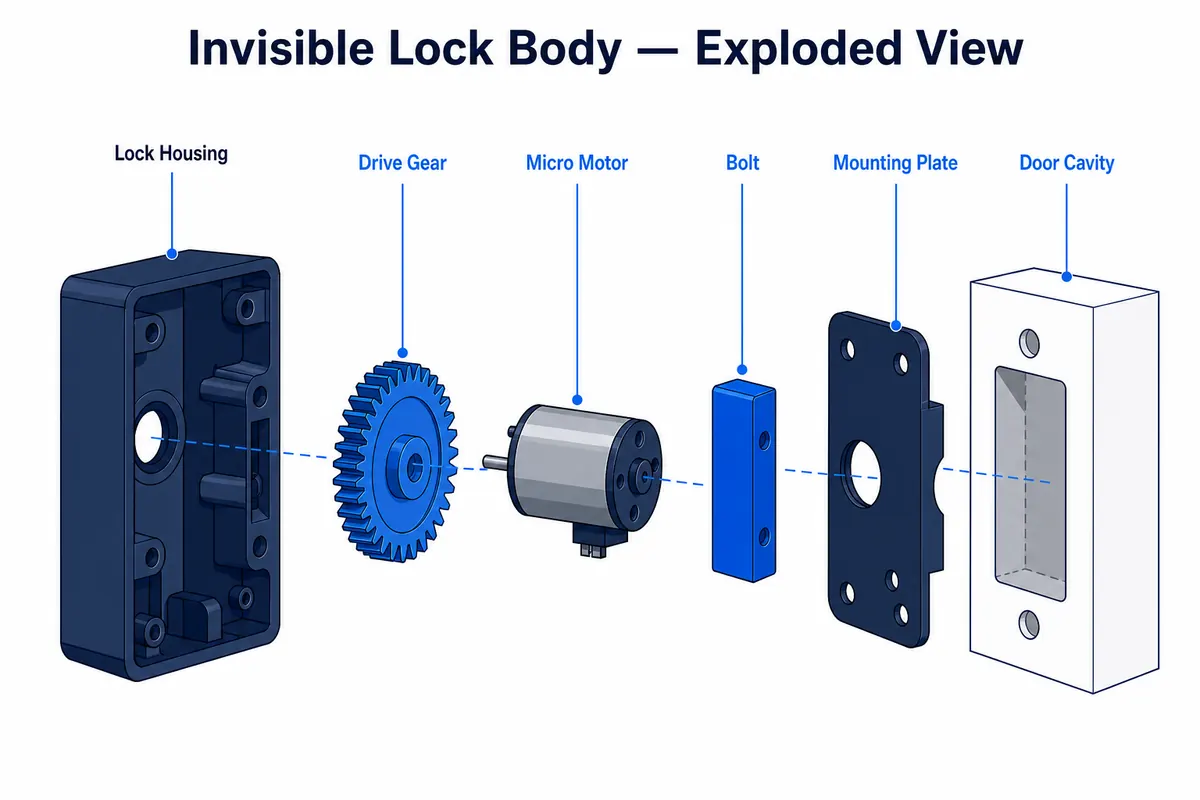
Door Structure and Thickness: Internal structural cavities and material strengths vary drastically across custom solid wood doors, steel fire doors, and laminated glass doors. Standardized lock body molds are often incompatible; forced installation can easily lead to door deformation or uneven stress distribution on the lock body, eventually causing structural fatigue over time.
- Quantitative Engineering Metrics: Mainstream B2B invisible lock bodies typically support a standard door thickness range of 38mm to 68mm, with a required tolerance of ±0.5mm. Deviating from this range necessitates custom mortising; otherwise, the structural integrity of the door's internal framework (skeleton) may be compromised, or the lock body installation may become unstable.
-
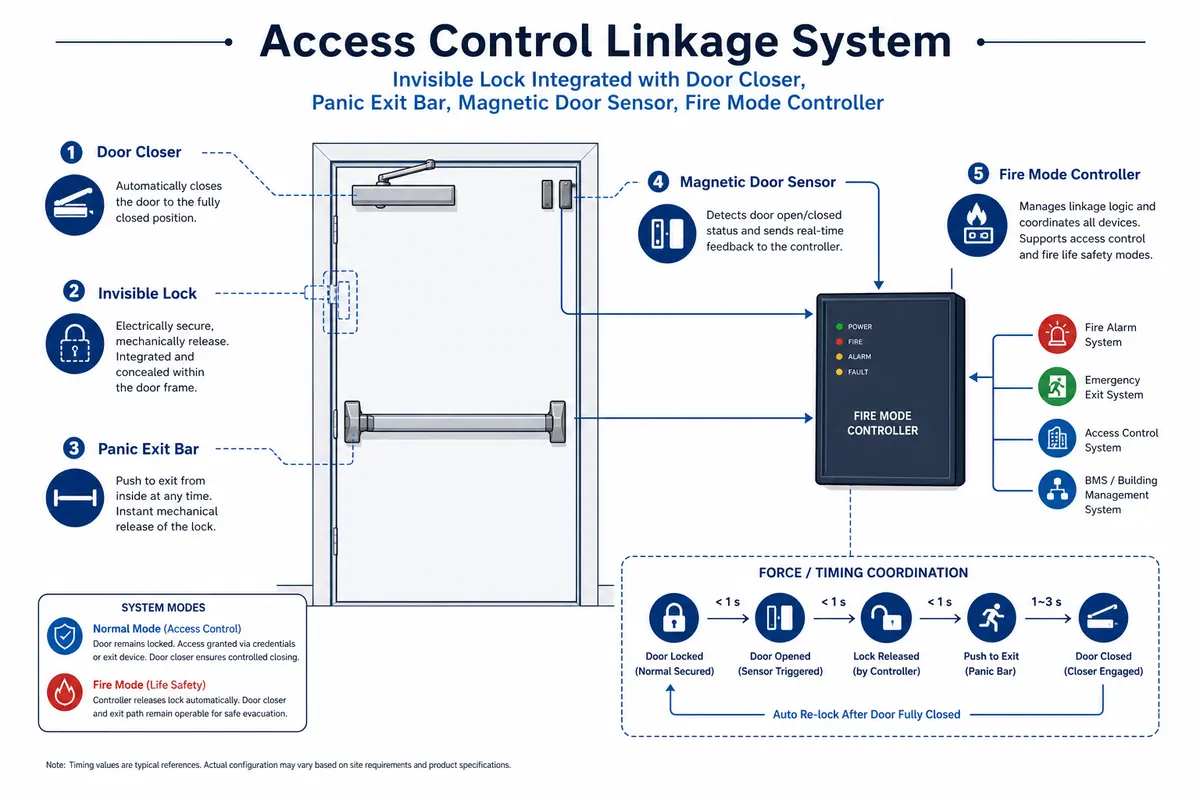
Coordination of Linkage Mechanisms: Access control systems in modern B2B environments often require integration with door closers, panic bars, magnetic door sensors, and other components. The operating torque curve of the concealed lock must precisely match these external mechanisms; otherwise, compliance and safety risks may arise. For example, the door could lock before the closer reaches its final position, or the push-force for emergency egress could exceed permissible limits.
- Real-world Engineering Case Study: During the renovation of an ICU unit in a large hospital, a concealed lock failed to match the torque curve of the existing heavy-duty electromagnetic door holder. This prevented the door leaf from closing reliably during fire-safety mode operations. Ultimately, an independent locking control module had to be installed to resolve the issue, increasing the modification cost by approximately 1,800 RMB per unit.
2. Electrical and Communication Protocol Compatibility: The "Invisible" Battlefield of Signals and Power
Electrical compatibility is critical to system stability and reliability, yet its complexity extends far beyond simple power supply requirements. For protocol selection comparisons, see our smart lock technology selection guide.
-
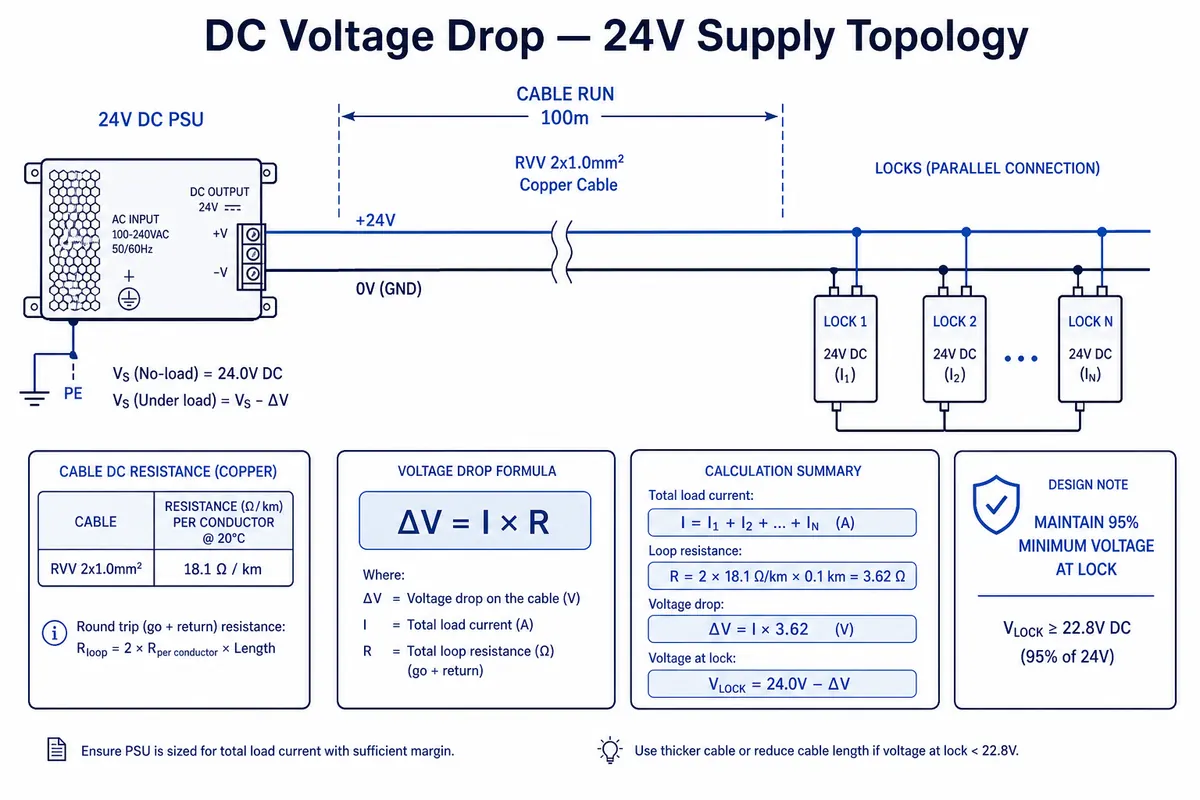
Power Delivery Link Design: Concealed locks typically operate on low-voltage DC power (e.g., 12V/24V DC). Challenges include voltage drop across long cable runs, inrush current spikes when multiple locks start simultaneously, and electromagnetic interference (EMI) from the building's existing high-voltage electrical systems. Poor power supply design is a primary cause of intermittent lock failure.
- Engineering Calculation for Power Delivery: DC power supply designs require a rigorous assessment of line voltage drop. According to Ohm's Law, voltage drop is calculated as ΔV = I × R. Industry standards require the operating voltage at the lock terminal to be at least 95% of the rated voltage. For example, in a 24V system with a peak current of 0.5A per lock using RVV 2×1.0mm² cable (resistance approx. 18.1Ω/km), the voltage drop over a 100-meter run is approximately 0.91V; this must be verified against permissible limits.
-
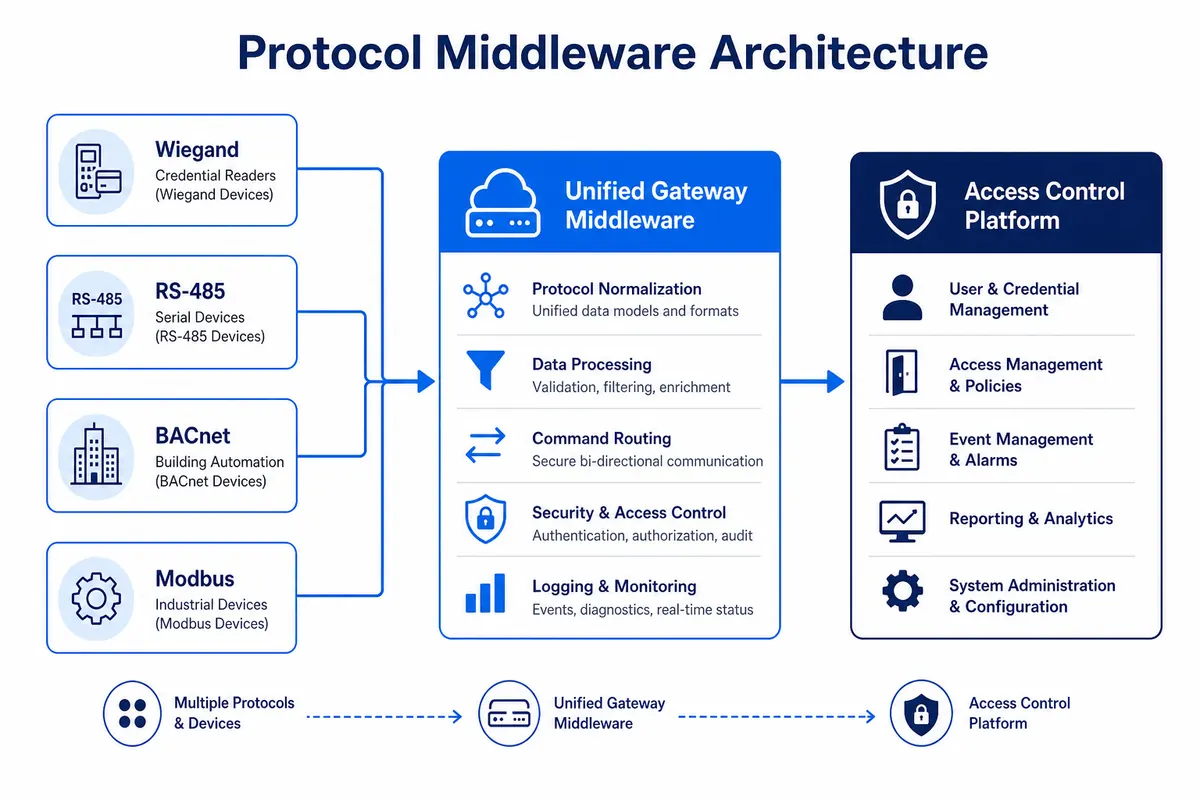
A Myriad of Communication Protocol "Dialects": Access control controllers may support various protocols such as Wiegand, RS-485, TCP/IP, BACnet, and Modbus, whereas the factory firmware of most invisible locks supports only one or two mainstream protocols. Protocol conversion not only increases hardware costs (due to conversion modules) but also introduces new points of failure and communication latency.
- Real-World Project Case & Cost-Benefit Analysis (ROI): A multinational corporate headquarters that had deployed access control systems from five different brands opted for a "standardized protocol middleware" approach. While initial procurement costs rose by approximately 10% (due to unified gateways), costs associated with debugging, troubleshooting, and custom development resulting from protocol conflicts were reduced by 30%. The projected ROI exceeds 150% over a three-year operations and maintenance cycle.
-
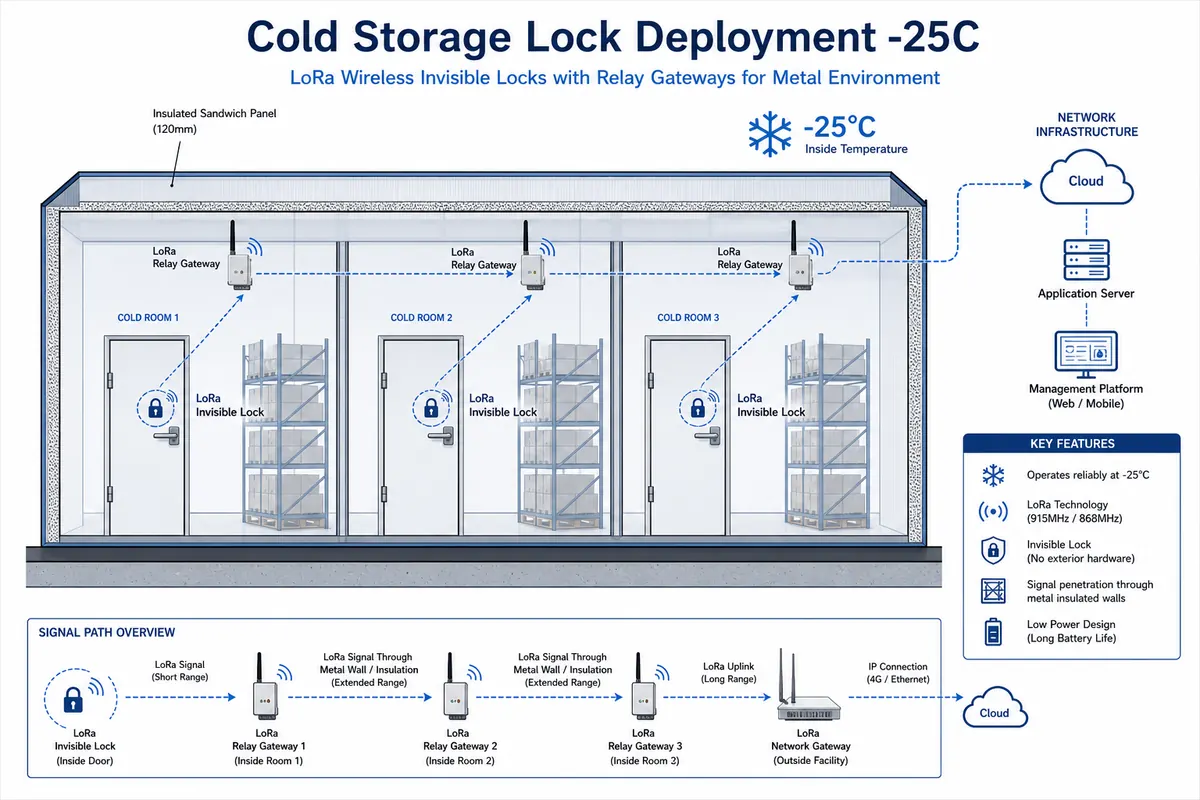
Unique Challenges of Wireless Deployment: Invisible locks powered by batteries and utilizing LoRa/NB-IoT wireless communication must strike a balance between power consumption, signal penetration, and data refresh rates. Signal attenuation caused by concrete walls and co-channel interference from other wireless devices within the building can cause wireless locks to "lose connection" at critical moments.
- Real-World Project Case: A large cold-chain logistics park in East China deployed 120 LoRa wireless locks inside a -25°C cold storage facility featuring double-layer insulation. Due to the combined signal-attenuating effects of the warehouse's metal structure and the low temperatures, nearly 30% of the locks experienced mass "disconnections" within a week of deployment. The issue was resolved by installing relay gateways and adjusting communication frequency bands, though the project was delayed by two weeks.
3. Software Ecosystem and API Integration Compatibility: The "Handshake" Challenge in the Digital World
As IoT endpoints, the value of invisible locks is realized through upper-layer management software (such as SaaS platforms or on-premise security platforms). Software-level compatibility is the key to ecosystem integration—especially for hotel PMS integration and rental management platforms.
- API Openness and Consistency: The quality of API documentation provided by various vendors varies significantly, with discrepancies in authentication methods (OAuth 2.0/API Key), data formats (JSON/XML), status callback mechanisms, and error code definitions. This results in lengthy integration development cycles and high code maintenance costs.
- Data Model and Permission Mapping: Existing enterprise employee permission systems (such as those based on Active Directory or HR systems) must be precisely mapped to the access policies of "invisible" locks. When dealing with multiple lock brands and differing data models, synchronizing permissions and maintaining consistency becomes a major operational challenge.
- Firmware Upgrade (OTA) Compatibility Management: Lock firmware versions may differ across batches and models; OTA upgrades require ensuring that new firmware is compatible with existing hardware, network environments, and upper-layer software. A single failed batch upgrade could cause large-scale device "bricking."
4. Compatibility with Extreme Operating Conditions and Environments: "Stress Testing" Beyond Product Manuals
Temperature, humidity, and Ingress Protection (IP) ratings listed in product specifications are measured under standard laboratory conditions. Real-world extreme operating conditions pose the most severe challenges. For certification requirements, see our invisible lock international certification guide.
- Extreme Temperatures and Thermal Cycling: For locks deployed in cold storage (-30°C) or tropical outdoor cabinets (70°C+), internal lubricants may solidify or leak, electronic component performance may drift, and battery life can be drastically reduced. Thermal expansion and contraction caused by diurnal temperature fluctuations can also compromise mechanical precision.
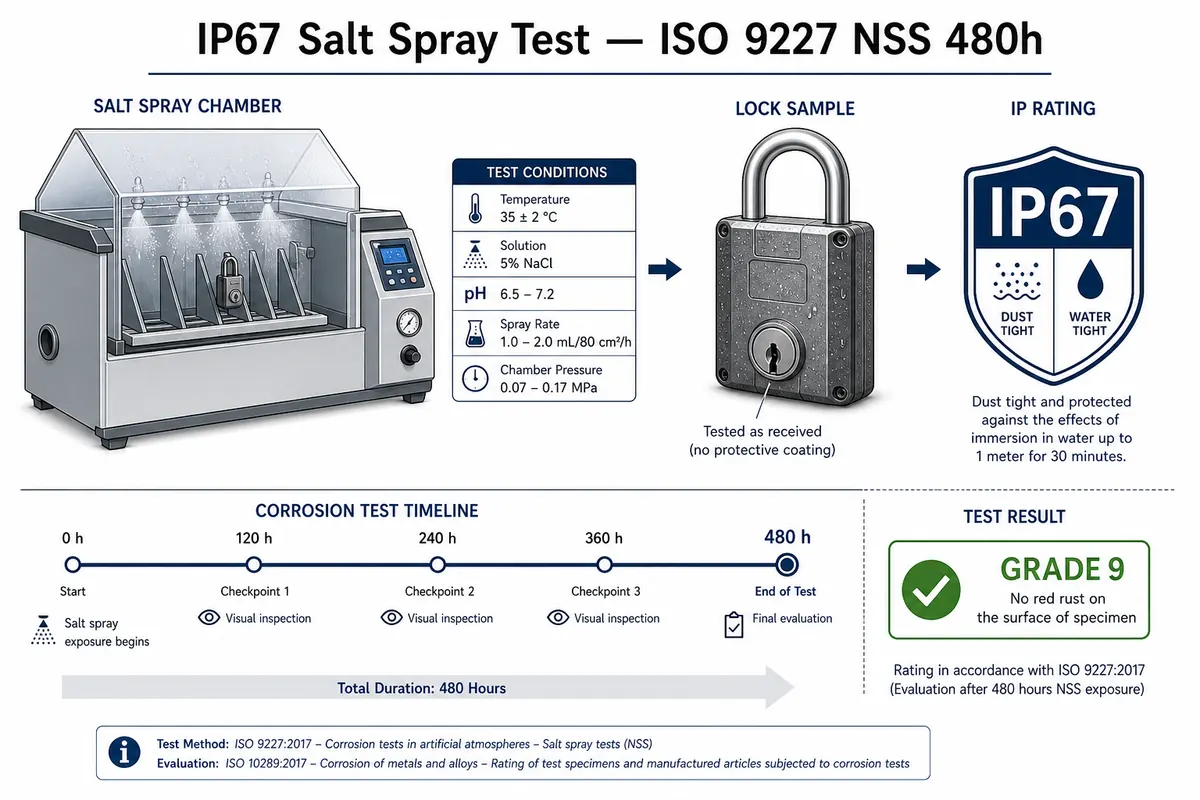
- Chemical Corrosion and Salt Spray: Environments characterized by high salt spray or corrosive gases—such as coastal areas, chemical plants, and food processing facilities—can cause slow, irreversible erosion of exposed metal contacts, circuit boards, and even internal chips.
-
Continuous Vibration and Shock: When installed on industrial doors or logistics sorting chutes subject to frequent opening and closing, or in buildings adjacent to subway tracks, the lock must withstand long-term vibration. This can lead to loose screws, faulty solder joints, or false sensor triggers.
- Quantifiable Engineering Metrics: For high-reliability B2B scenarios, locks must possess industrial-grade environmental durability certifications, including but not limited to: IP67 protection rating (dust and water resistance), an operating temperature range of -40°C to +85°C, and passing the ISO 9227 NSS test (480 hours) with no red rust (Grade 9 or higher).
5. Cybersecurity and Data Privacy: Converging Security Boundaries in B2B IoT
As entry points for cyber-physical systems, invisible locks directly impact the security of an enterprise's overall digital assets. Challenges extend from physical interfaces to the entire data lifecycle.
- Network Boundaries and Access Control: When invisible locks connect to corporate intranets or dedicated IoT networks, the principle of least privilege must be observed. Insecure default configurations (such as open debugging ports), a lack of network isolation, or improper firewall policies could turn the lock into a springboard for attackers to move laterally within the network.
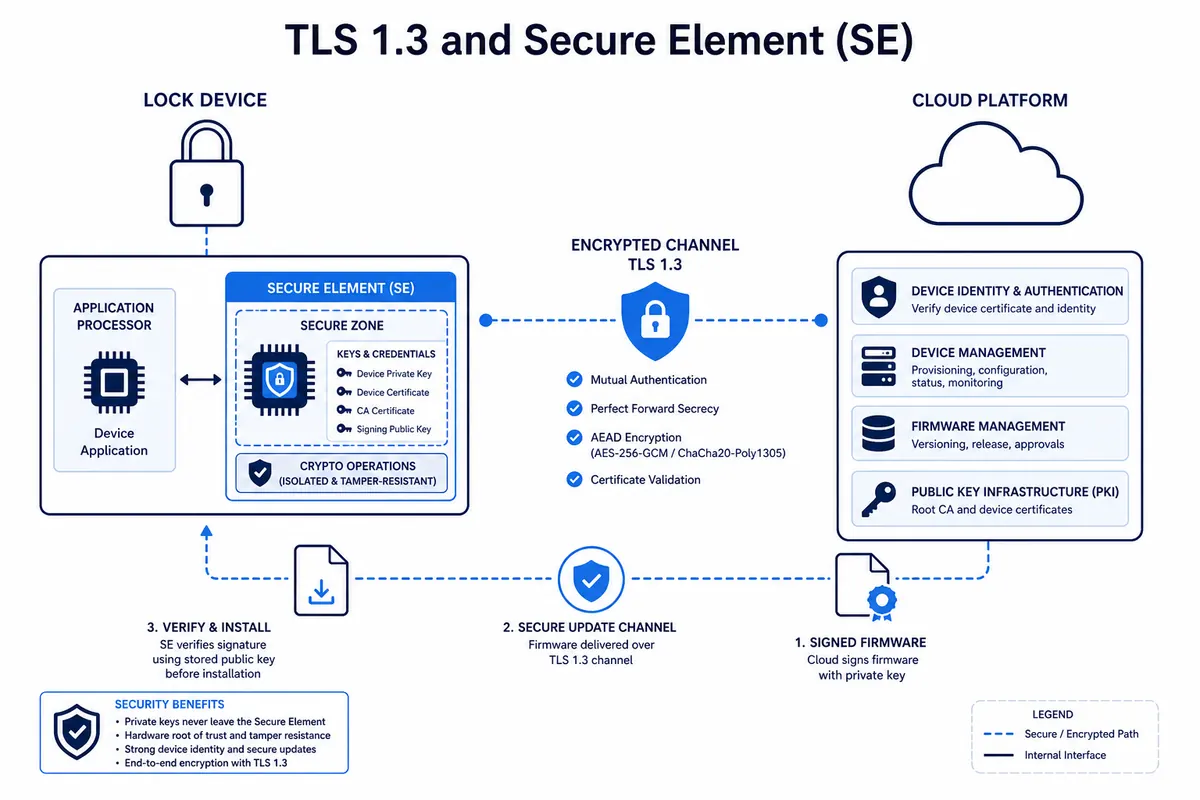
- Data Transmission Confidentiality and Integrity: All communication between the lock, the management platform, and mobile applications must employ robust encryption and integrity verification. TLS 1.3 should be the standard for both wired and wireless transmission, with insecure cipher suites disabled. Firmware update packages must undergo digital signature verification to prevent the injection of malicious code via supply chain attacks.
- Data Storage and Privacy Compliance: Access logs and user information (even non-biometric data) stored locally on the lock or in the cloud are classified as sensitive data. Encrypted storage must be implemented using a hardware Secure Element (SE) or a Trusted Execution Environment (TEE), ensuring that cryptographic keys never leave the secure zone. Compliance with regulations such as GDPR and PIPL (Personal Information Protection Law) is mandatory across data collection, storage, and cross-border transmission, adhering to the principle of Privacy by Design.
6. Full Lifecycle and Supply Chain Compatibility: Considering the 5–10 Year Operational Horizon
The success of B2B projects depends not only on the initial deployment but also on stable operation over a period of years—or even a decade. Compatibility challenges across this time dimension are frequently overlooked. For supply chain management approaches, see our invisible lock supply chain guide and B2B OEM/ODM white paper.
- Long-term Spare Parts Supply and End-of-Life (EOL) Management: Critical components, such as core chips or specialized motors, may cease production years after the initial rollout. If the lock design fails to incorporate component standardization or provide for alternatives, a lack of replacement parts during later maintenance could necessitate a complete system replacement.
- Firmware and System Backward Compatibility: Enterprise IT infrastructure and security platforms undergo continuous upgrades. Lock firmware must ensure API compatibility with future versions of management software to avoid creating data silos. Conversely, newly purchased locks must be capable of integrating with existing legacy management platforms.
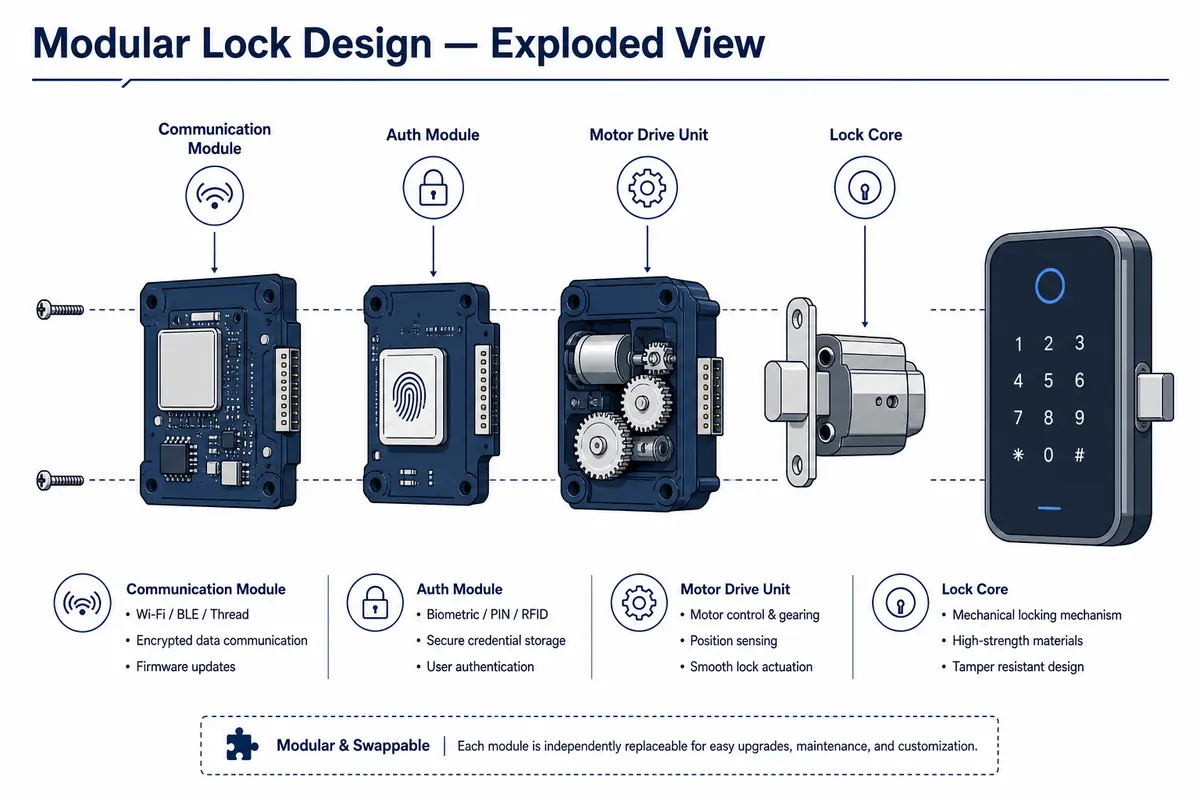
- Seamless Upgrades Amidst Technological Evolution: To accommodate transitions—such as from 4G to 5G or between generations of wireless protocols—communication modules should support modular replacement rather than requiring the entire lock to be scrapped. Mechanical designs should also allow room for upgrades (e.g., transitioning from single-factor authentication to multi-factor authentication combining facial recognition and smart cards).
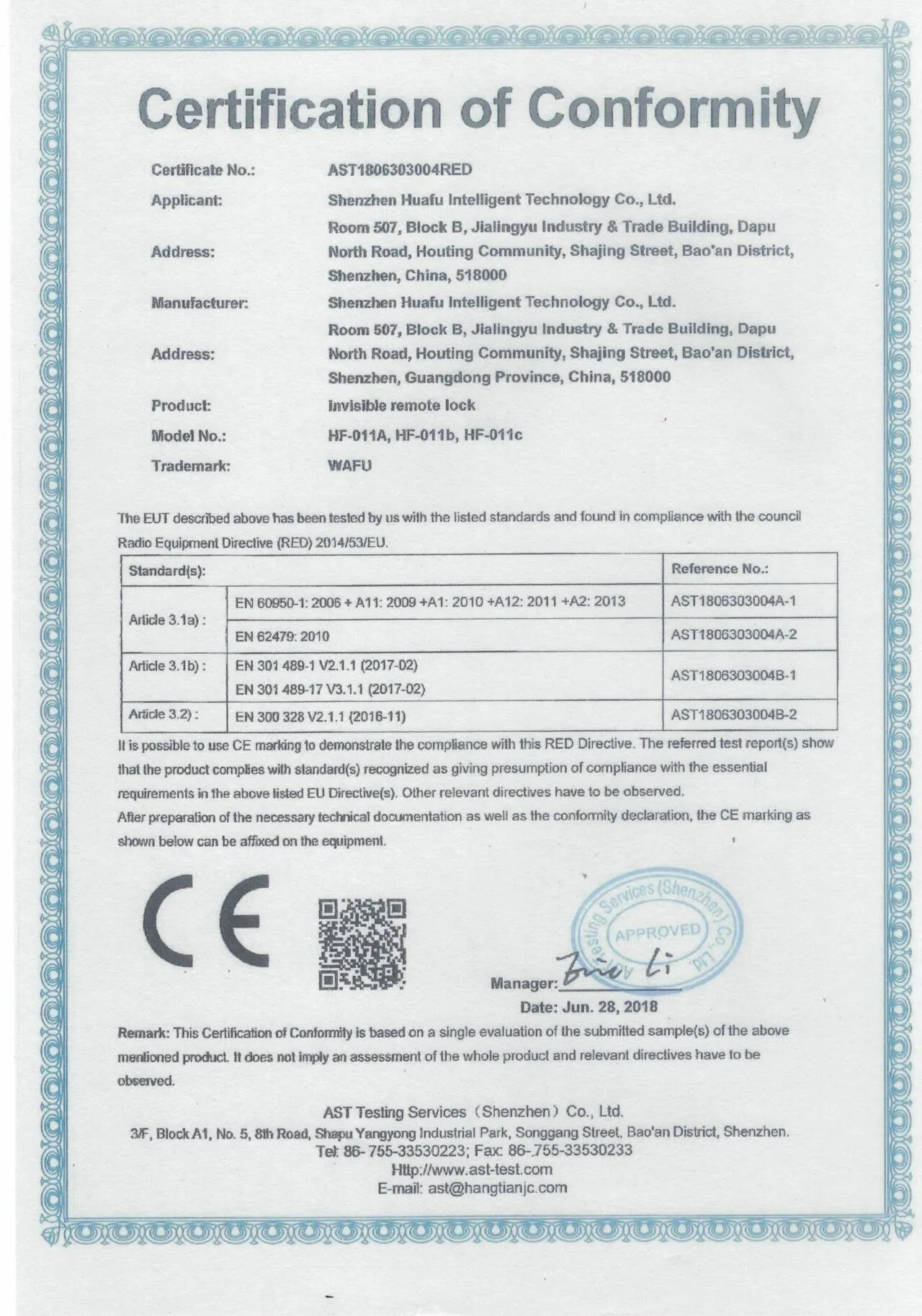
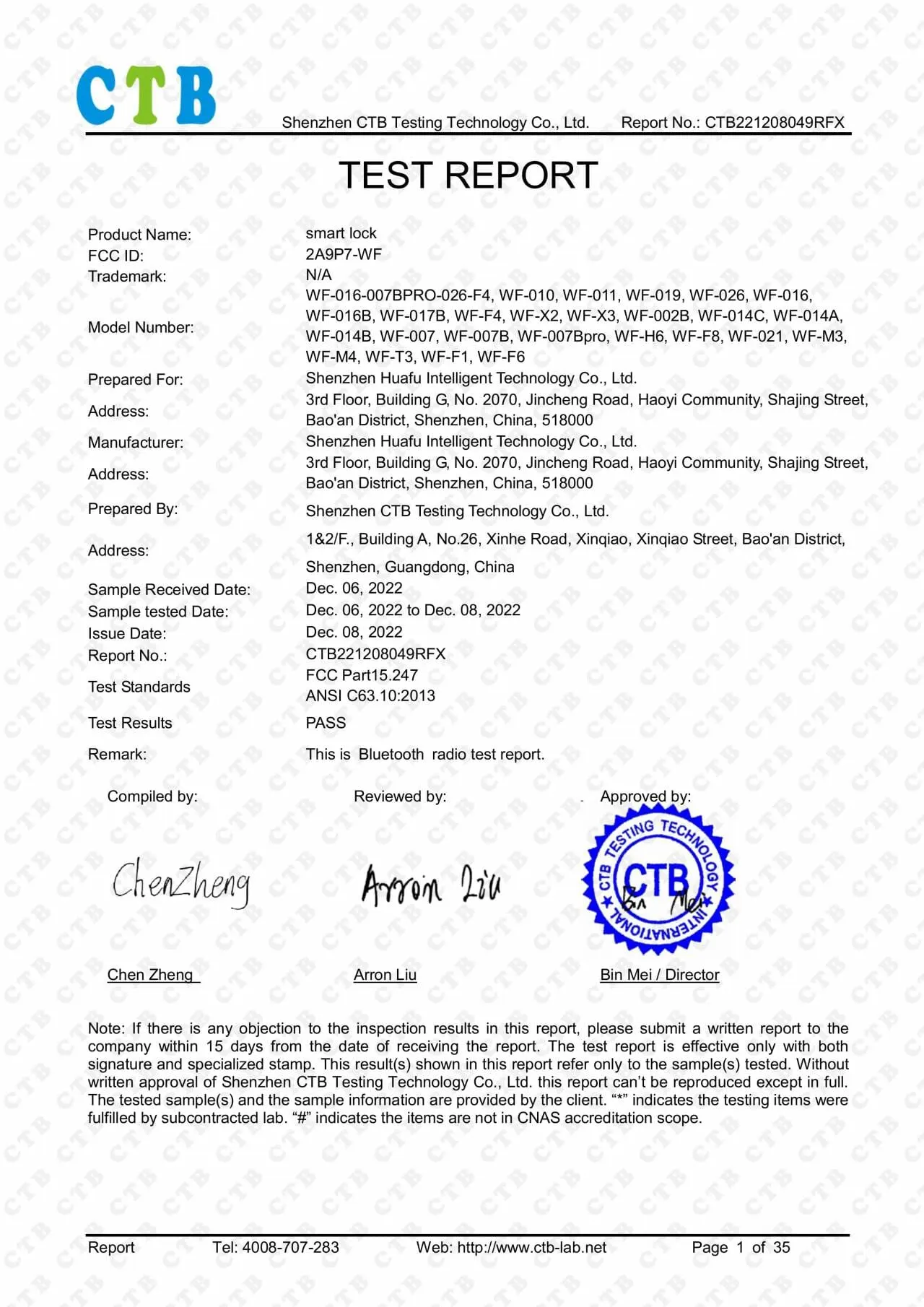
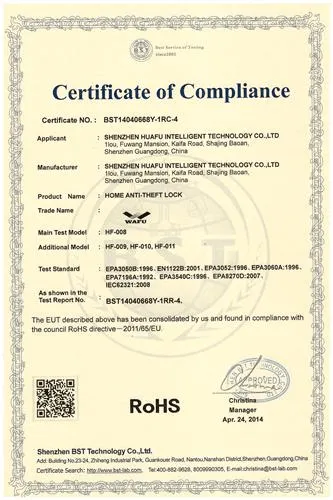
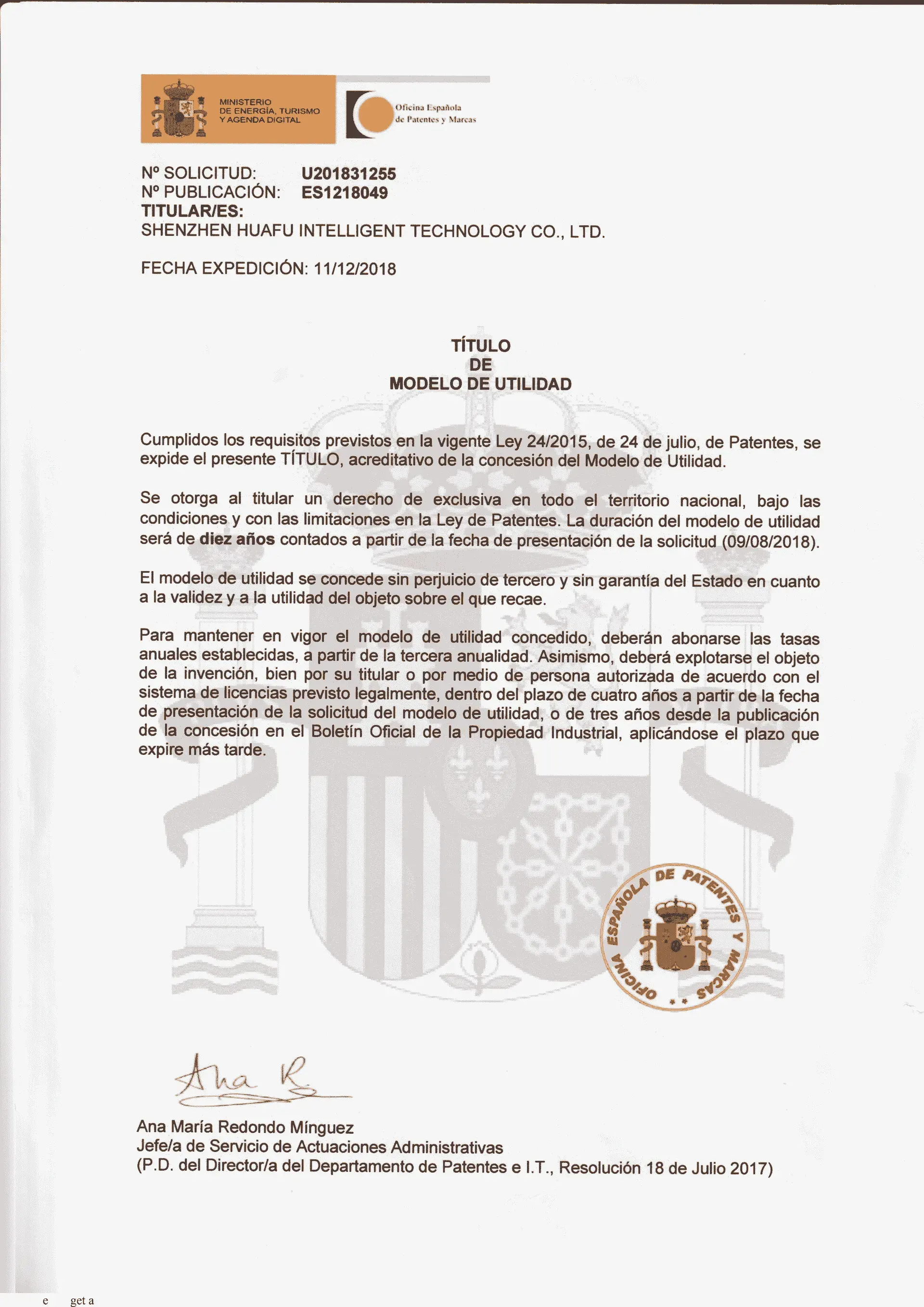
Certifications & Patents
CE Certification · FCC Compliance (Part 15) · RoHS Compliance · Patent Protection (DE/EP/CN, etc.)
Conclusion and Action Framework
The compatibility challenges associated with B2B "invisible" locks essentially represent the difficulty of integrating a precision industrial product into complex, heterogeneous, and dynamic physical and digital systems. This is not merely a product defect but a litmus test for the maturity of system integration.
Action Recommendations for Decision-Makers and Engineers:
- Shift Mindset: Elevate "compatibility" from a simple checklist item in the procurement process to a core design constraint established at the project's inception, encompassing six key dimensions: mechanical, electrical, software, environmental, security, and supply chain.
- Front-load Processes and Quantify Validation: Assemble cross-functional teams for joint reviews during the solution design phase. All requirements must be quantified (e.g., door thickness tolerances, voltage thresholds, salt spray test durations), and a tiered validation process—spanning from laboratory testing to field Proof of Concept (POC)—must be established.
- Full Lifecycle Cost-Benefit Analysis (ROI): When evaluating compatibility solutions, calculate the Total Cost of Ownership (TCO) and Return on Investment (ROI) over the entire lifecycle. For instance, while standardization and modular design may increase initial costs by 10–15%, they typically yield over 30% in aggregate cost savings within three years by reducing expenses related to operations, maintenance, replacement, and integration.
- Ecosystem Collaboration and Shared Risk: Prioritize strategic OEM/ODM suppliers offering comprehensive product lines, open APIs, authoritative environmental and safety certifications, and proven long-term supply chain stability—and establish performance-based partnership models with shared risk.
Ultimately, the value of overcoming compatibility challenges lies not only in the successful delivery of individual projects but also in building a foundation for next-generation physical security infrastructure that is iterative, scalable, and highly reliable. Its strategic significance far transcends the locks themselves. Continue with the hotel and residential guide, the OEM/ODM white paper, and hardware architecture selection to complete your project evaluation.
Frequently Asked Questions (FAQ)
Q: What is the primary cause of intermittent failures in concealed locks?
A: Inadequate power supply design—particularly line voltage drop over long cable runs, inrush current spikes when multiple locks start simultaneously, and electromagnetic interference from existing building electrical systems—are the main causes of intermittent failures.
Q: How can backward compatibility with existing (legacy) access control systems be ensured?
A: The recommended strategy is to deploy "standardized protocol middleware" or select locks with built-in multi-protocol stacks. These solutions translate the lock's native protocols into formats recognized by legacy controllers, minimizing custom development and integration costs.
Q: What are the minimum environmental certifications required for demanding B2B installations?
A: At minimum, require IP67 dust and water resistance certification, an extended operating temperature range of -40 °C to +85 °C, and passing the neutral salt spray test (ISO 9227 NSS) for 480 hours with no significant corrosion (Grade 9 or higher).
Q: Is wireless communication (LoRa/NB-IoT) reliable for critical environments?
A: Reliability depends heavily on signal attenuation conditions. In complex environments (metal structures, insulated cold storage), conduct on-site signal propagation tests before deployment and plan for relay gateway installation to ensure complete and resilient coverage.